Whether you’re just starting out as a van driver or you’ve owned your van for years, chances are you’ve come across the term ‘“private van insurance”.
So, what is it?
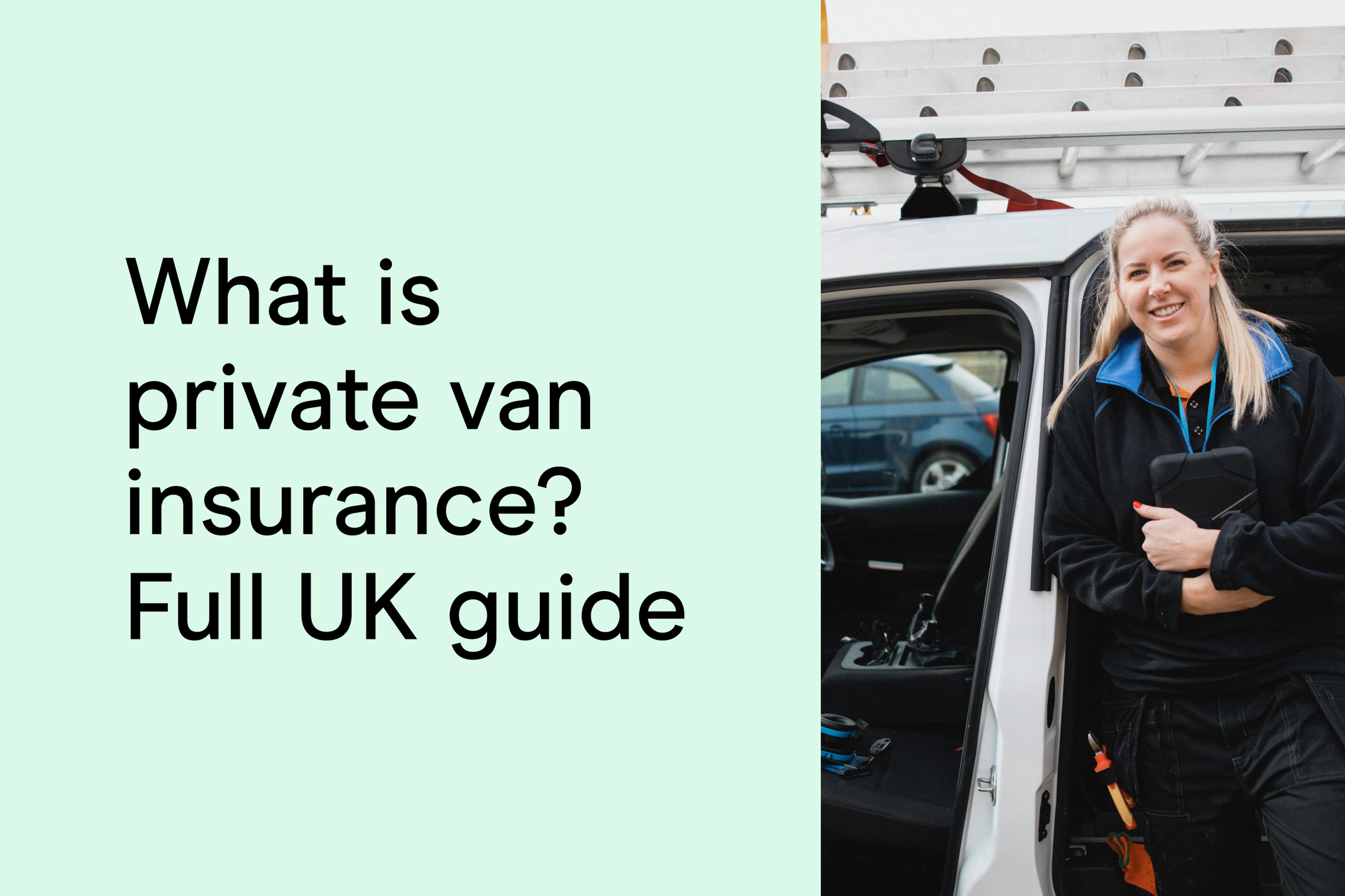
Private van insurance is a type of policy for van owners who only use their vehicle for personal driving. It’s also known as social, domestic and pleasure insurance, or personal van insurance. It doesn’t cover you for business driving, making deliveries or commercial activities (for that, you’ll need a separate type of insurance).
Private van policies come in similar levels of cover to standard car insurance, including comprehensive, third party fire and theft, and third party only.
But, there’s more to it than that. Keep reading to learn more, including what private van insurance covers you for (and what it doesn’t).
Private van insurance explained
As we’ve learned so far, private van insurance covers you for personal trips and social driving, but it doesn’t cover you for driving related to your work or business. So, if you have a van that you only use for social, domestic and pleasure driving — like shopping trips, weekends away or visiting friends — private van insurance is likely the right choice for you.
It’s similar to the insurance you’d buy for a car used for personal driving and social trips only, except it covers larger goods vehicles classed as vans.
It’s important to know that private van insurance differs from commercial van insurance, which you’ll need if your vehicle is used for any kind of work or business-related driving.
Third party versus comprehensive van cover, explained
Van cover comes in three levels, the same as car insurance. What changes is how much of the risk sits with you, and how much sits with your insurer. Here's what each level covers, who it suits, and how to choose.
Comprehensive
Comprehensive is the highest level of cover. It protects your own van and other people's vehicles, plus theft, fire, vandalism and injury to others. It won't cover general wear and tear or breakdowns unless you add them on. It suits anyone who relies on their van, carries tools, or drives a newer or financed vehicle. Skid on ice and damage your own van, and your insurer helps put it right, minus your excess. You can usually add tools cover, a courtesy van and legal expenses, which count for a lot when your van is how you earn a living.
Third party, fire and theft (TPFT)
Third party, fire and theft (TPFT) sits in the middle. It covers damage and injury you cause to others, plus theft of or fire damage to your own van. What it won't do is pay for accidental damage to your van, say if you reverse into a bollard. It suits drivers who want a bit more protection than the legal minimum without paying for full comprehensive cover.
Third party only (TPO)
Third party only (TPO) is the legal minimum. It covers damage and injury you cause to other people, their vehicles and property, but nothing for your own van. It suits drivers of older, low-value vans who could afford to replace the van themselves if the worst happened. Reverse into a fence with TPO and it pays for the fence, not your own bumper.
One myth worth busting: third party isn't automatically the cheapest option. Higher-risk drivers often choose it to keep costs down, which can push the price of third party cover up. So compare all three levels before you decide, because the lowest level of cover isn't always the lowest price.
Which level should you choose?
It comes down to how you use your van, and what you couldn't easily replace out of your own pocket. Here's a quick steer.
- Drive your van purely for personal trips? Zego Private Van Insurance gives you comprehensive cover built for social, domestic and pleasure use.
- Use it for work, tools or deliveries? You'll need Business Van or Hire and Reward cover, not a private policy.
- Want to bring the price down? Driving well with Zego Sense can help lower what you pay.
Whichever level you choose, always tell your insurer exactly how you use your van. Get that wrong and a claim could be turned down when you need it most.
What affects the cost of private van insurance?
Lots of things can impact the cost of a private van insurance policy, including your age, driving history and any no claims discount (NCD) you might have. The make, model and age of the van also play a significant role, as does where the van is parked overnight. Annual mileage, optional excess and any add-ons will also affect your price.
Generally, more experienced drivers with clean driving records and low mileage tend to get the cheapest quotes, while smaller, reasonably priced vans are usually cheaper to insure than larger, more expensive models.
How can I get cheap private van insurance?
There are a few things you can do to get the best deal on your van insurance:
- If you can, park in a secure area overnight, like a locked garage or driveway.
- Try paying for your policy annually rather than monthly – it’s usually cheaper over the long run.
- Drive carefully and build your no claims discount.
- Choose a higher voluntary excess, just be sure you can afford to pay it in the event of a crash.
- Consider a telematics insurance policy, which gives you lower prices when you drive safely.
- Try installing extra security devices, but avoid modifying your van too much.
- And always shop around and compare quotes to get the best deal at renewal.
What's the difference between private and commercial van insurance?
The main difference between private and commercial van insurance is the type of driving it covers you for. Private policies only cover personal driving, like trips to the shops or to visit family. If you use your van for work, even occasionally, you’ll need a commercial van insurance policy. This includes commuting to multiple sites, transporting tools or goods, making deliveries and attending business meetings.
Always be sure to declare how you use your van to your insurer — otherwise you might not be covered in the event of an accident.
Do I need private van insurance if I only use my van occasionally?
Yes, even if you only drive your van rarely, you still need insurance. It’s a legal requirement that all vehicles registered in the UK must be insured, unless they’re officially declared off-road with a SORN (Statutory Off-Road Notification). Driving without insurance is illegal and could result in fines, penalties and even having your van seized.
If you only use your van occasionally, you could consider a limited mileage or pay-as-you-go policy to help keep your costs down.
Zego Private Van Insurance
Zego's Private Van Insurance is built for van owners who use their vehicle purely for personal driving things like family trips, weekend getaways, or day-to-day errands. It’s also known as Social, Domestic & Pleasure (SDP) cover.
- What it is: Fully comprehensive cover designed for personal and leisure use.
- Who it’s for: Van drivers who don’t use their vehicle for business, deliveries, or carrying tools.
- What’s included: Protection for you, your van, other vehicles, and road users — similar to standard car insurance, but tailored for vans.
- What’s not included: Any form of work-related or commercial use. For that, you’ll need Business Van or Hire & Reward insurance.
- Why choose Zego: Simple, flexible cover that fits the way you drive — whether that’s once a week or every day.
Last Updated: 20th July 2026