UK Uber and Private Hire Taxi Statistics (2025)
The private hire taxi industry, particularly ride-hailing services like Uber, has transformed how the UK approaches transportation. This shift from traditional taxis to app-based services has driven significant growth, influencing consumer behaviour, employment, and vehicle trends. In this report, we present a detailed breakdown of the latest statistics, key trends, and future projections for the UK’s Uber and private hire market.
Market Overview
The private hire vehicle (PHV) and taxi industry in the UK is rapidly evolving, with ride-hailing services like Uber playing a crucial role in reshaping the landscape. As of 2024, the total number of licensed taxis and private hire vehicles in England has risen to 313,000, marking an 8.2% increase from 2023 [1]. This growth highlights the rising demand for app-based transport solutions that offer convenience, flexibility, and efficiency.

How Much Do Uber Drivers Make?
So one of the main questions we here is how much do uber drivers make, fortunately we have a blog post on this topic as its a little detailed.
Market Size and Vehicle Licensing
The number of private hire vehicles (PHVs) has grown substantially, reflecting the dominance of ride-hailing services:
- 256,600 private hire vehicles were licensed in 2024, an increase of 10.5% from 2023 [1].
- In contrast, traditional taxis have continued to decline, with the total number of taxis decreasing by 1.4% to 56,400 in 2024 [2].
This shift underscores the growing preference for private hire options, which have adapted to consumer demands through app-based platforms and flexible pricing models.
Driver Licensing Growth
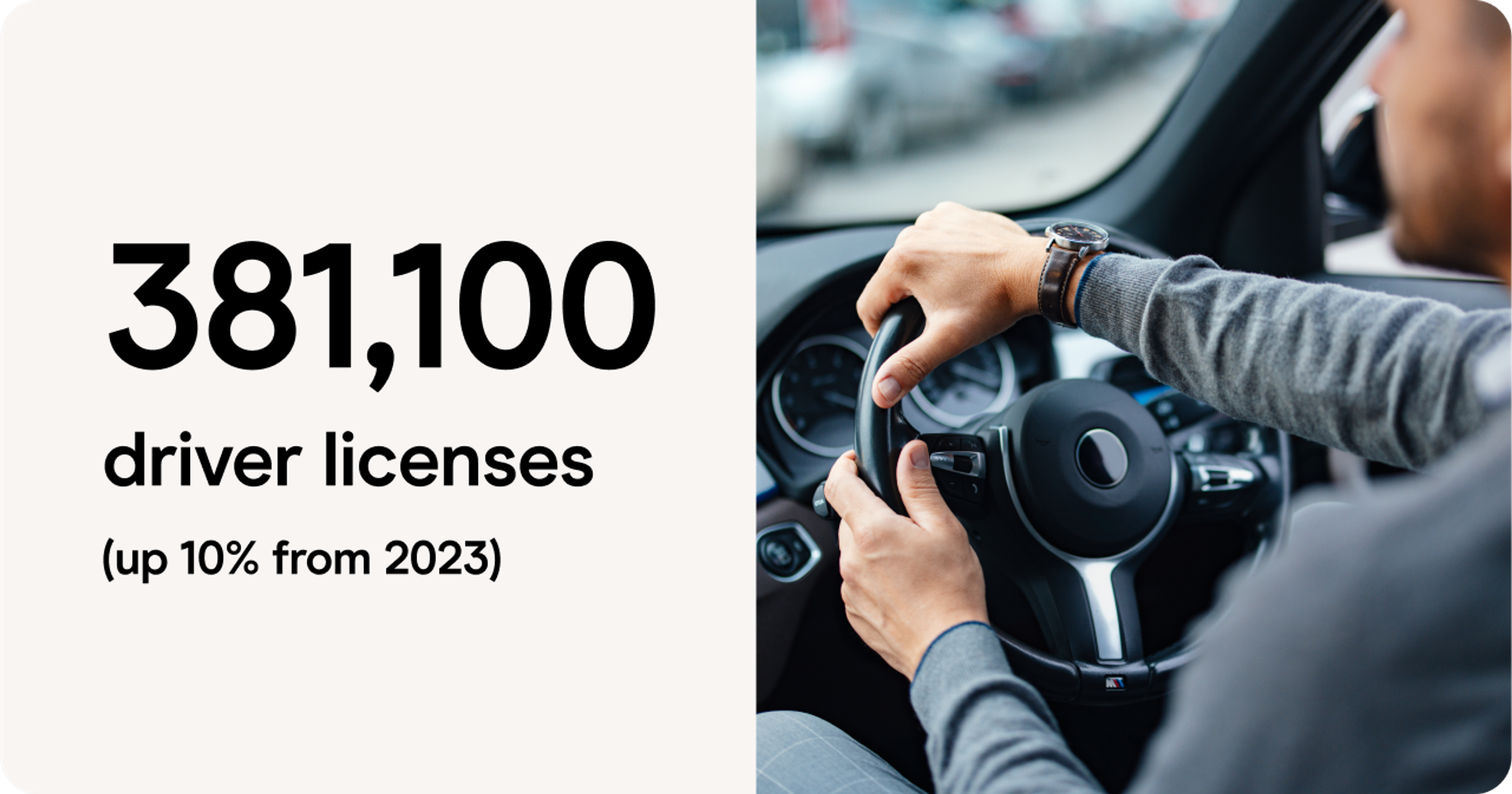
As more vehicles hit the road, driver licenses are also on the rise. In 2024, 381,100 driver licenses were issued, reflecting a 10% growth from the previous year [3]. Notably:
- 262,800 licenses were issued for PHV-only drivers, a 14% increase from 2023.
- Taxi-only driver licenses fell by 7%, dropping to 34,100.
- Dual taxi and PHV licenses increased by 7% to 78,000.
These figures indicate a clear shift in the labor market toward private hire driving as a preferred occupation, driven by the flexible working conditions and demand for ride-hailing services.
Uber’s Dominance in the UK
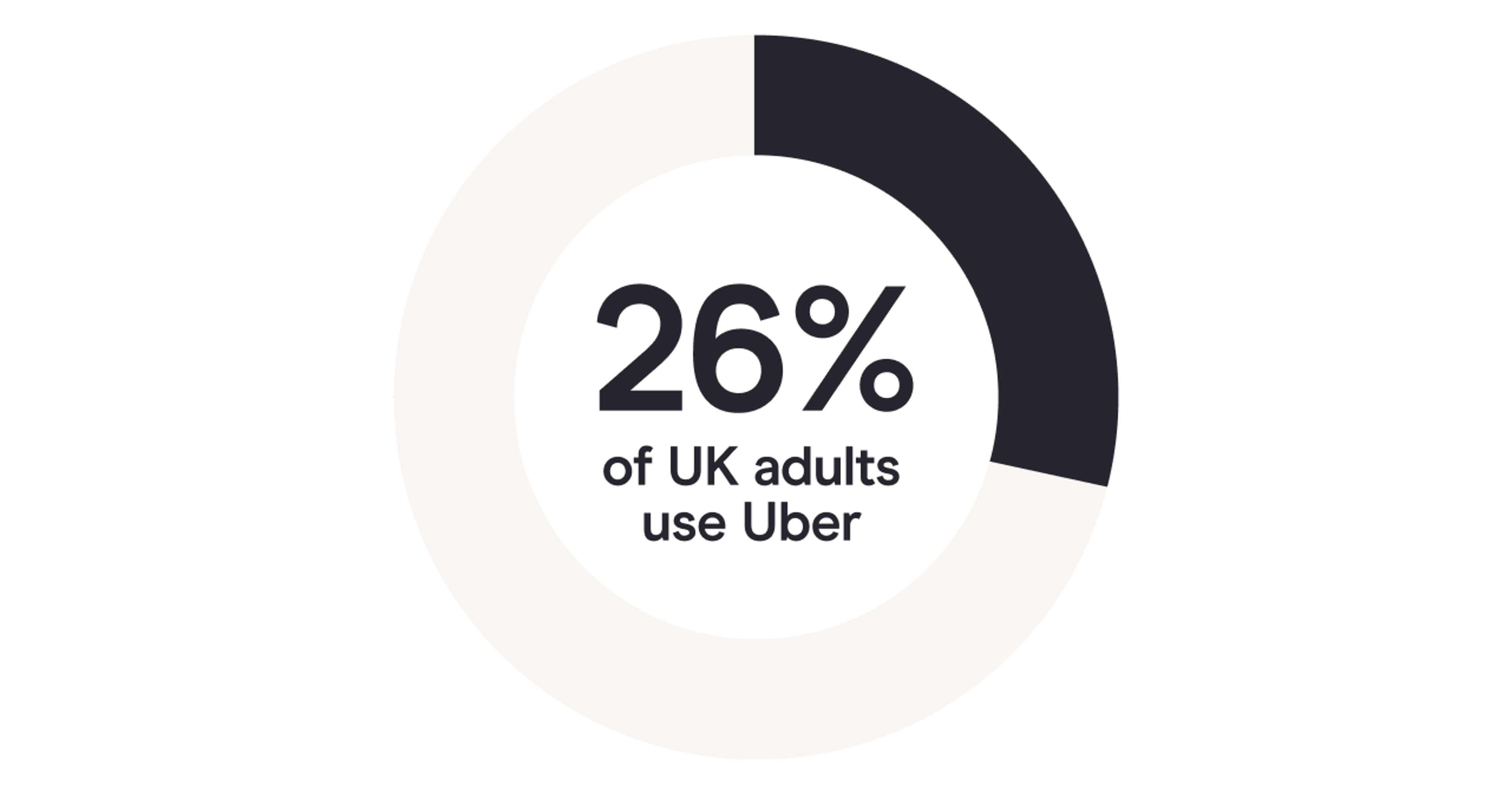
Since its launch, Uber has transformed the UK’s private hire sector, becoming the leading ride-hailing app. In 2024, 26% of UK adults reported using Uber in the past month, solidifying its position as the most popular ride-sharing brand [4].
Economic Impact of Uber
Uber’s impact on the UK economy is substantial:
- Uber contributed £5 billion in economic value to the UK in 2022, showcasing the platform’s significant role in facilitating transport and creating employment opportunities [5].
- Uber is estimated to save riders 2 billion minutes per year due to the platform’s convenience and efficient ride-hailing services [5].
This economic contribution highlights how ride-hailing services, beyond merely offering transport, provide essential value to the broader UK economy by increasing productivity and reducing congestion.
Consumer Behavior and Preferences
Why People Use Uber
Uber’s convenience and quick access to transport are among the top reasons for its widespread use. The following statistics provide a snapshot of rider preferences in 2024:
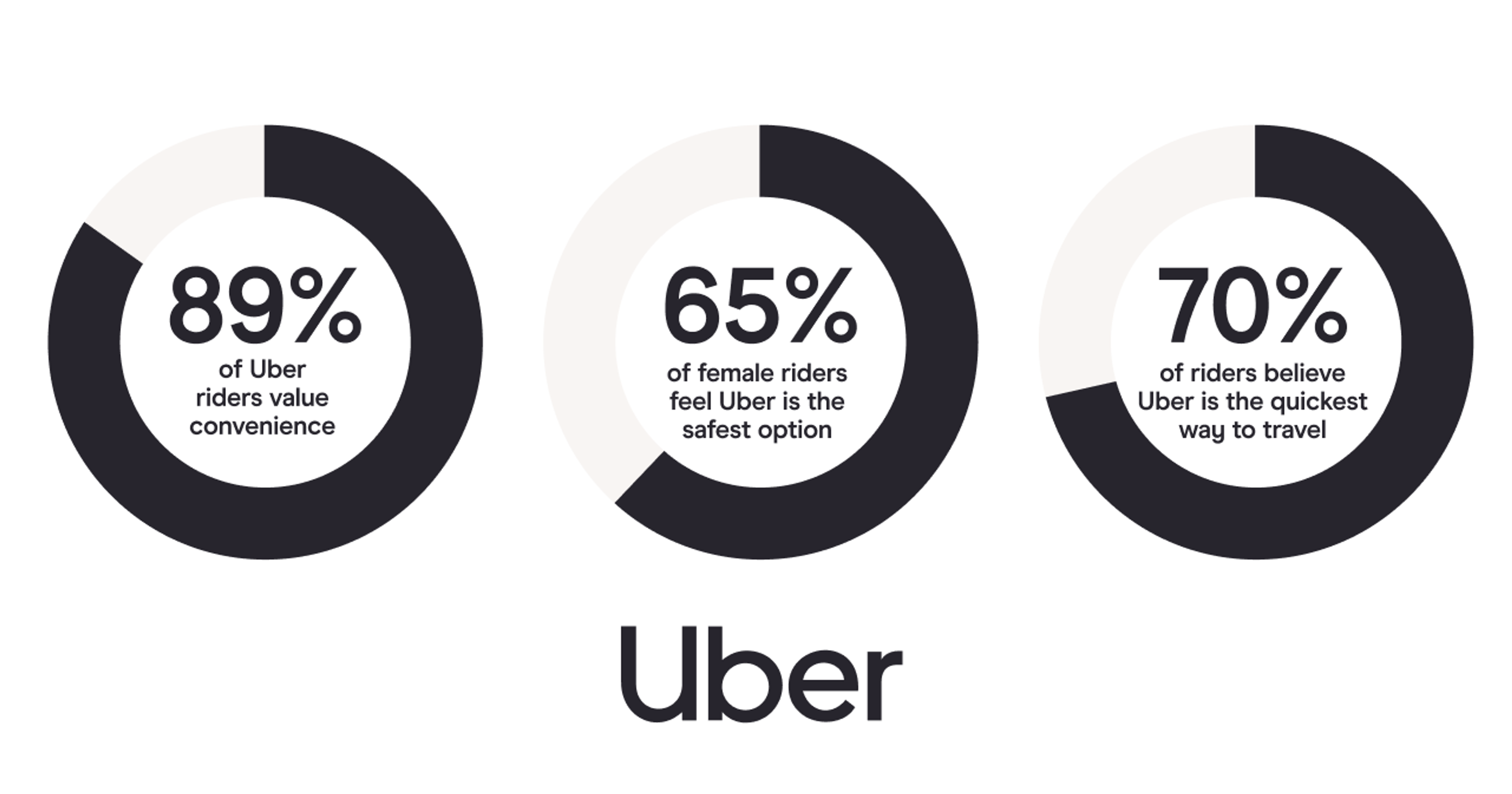
- 89% of Uber riders cite convenience as their primary reason for using the service [6].
- 70% of riders believe Uber is the fastest way to reach their destination [6].
- 65% of female riders prefer Uber due to its perceived safety, especially for late-night travel [6].
These consumer insights show how Uber has positioned itself as the go-to service for quick, reliable, and safe transportation, particularly for women and younger passengers.
Shifts in Vehicle Types: Electric and Hybrid Growth
Rise of Electric and Hybrid Vehicles
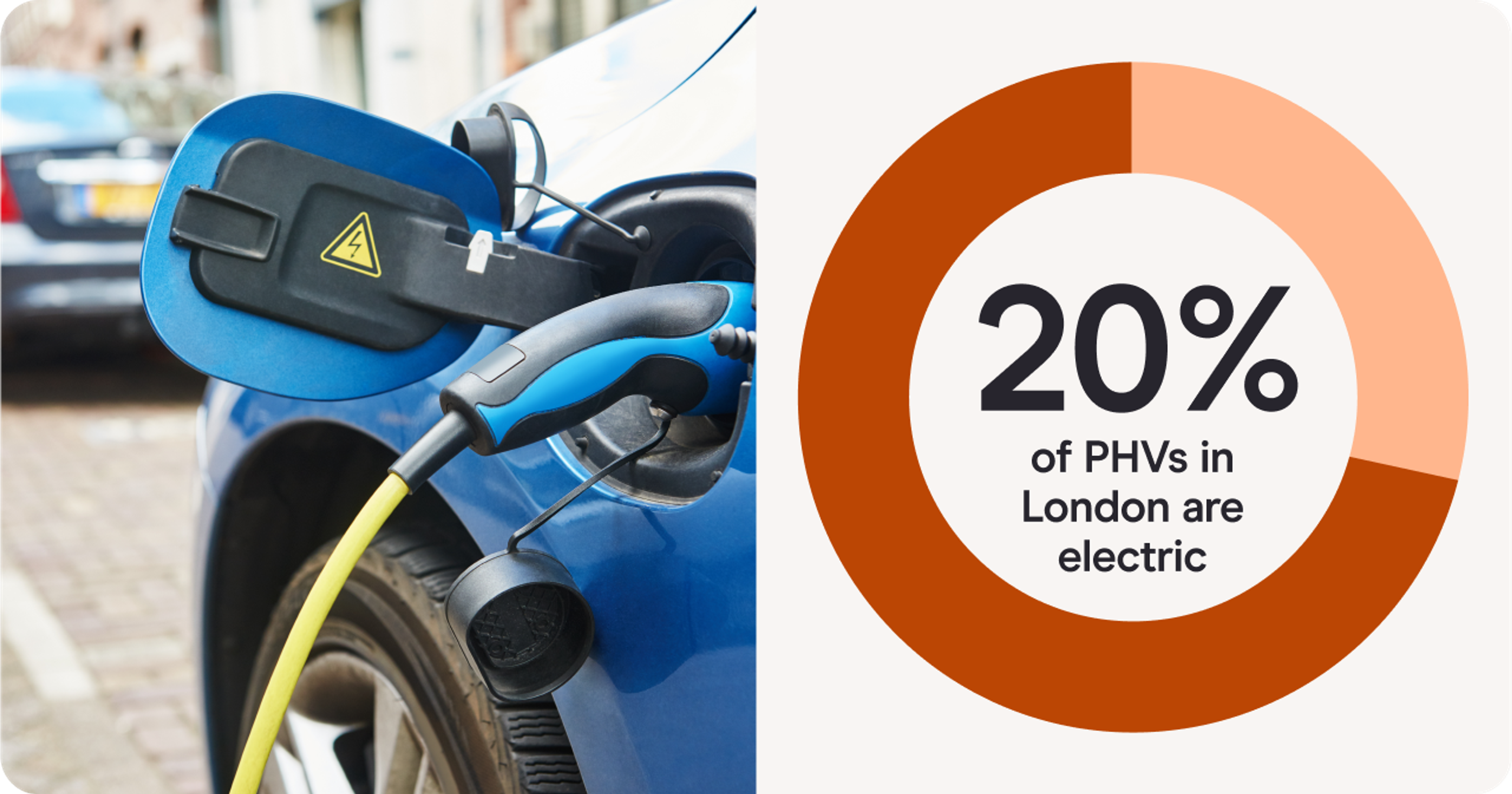
As the UK pushes towards greener transportation, the taxi and private hire industry is increasingly adopting electric and hybrid vehicles. In 2024, 20% of private hire vehicles in London were battery electric, up from just 1.2% in 2020 [7]. This shift is driven by government incentives, the introduction of low-emission zones, and growing consumer demand for environmentally friendly transport options.
- Hybrid taxis more than doubled between 2020 and 2024, increasing from 22% to 54% in London, while hybrid PHVs outside London jumped from 16% to 39% [8].
- Traditional petrol and diesel vehicles are steadily declining, with more operators switching to cleaner, more sustainable options [9].
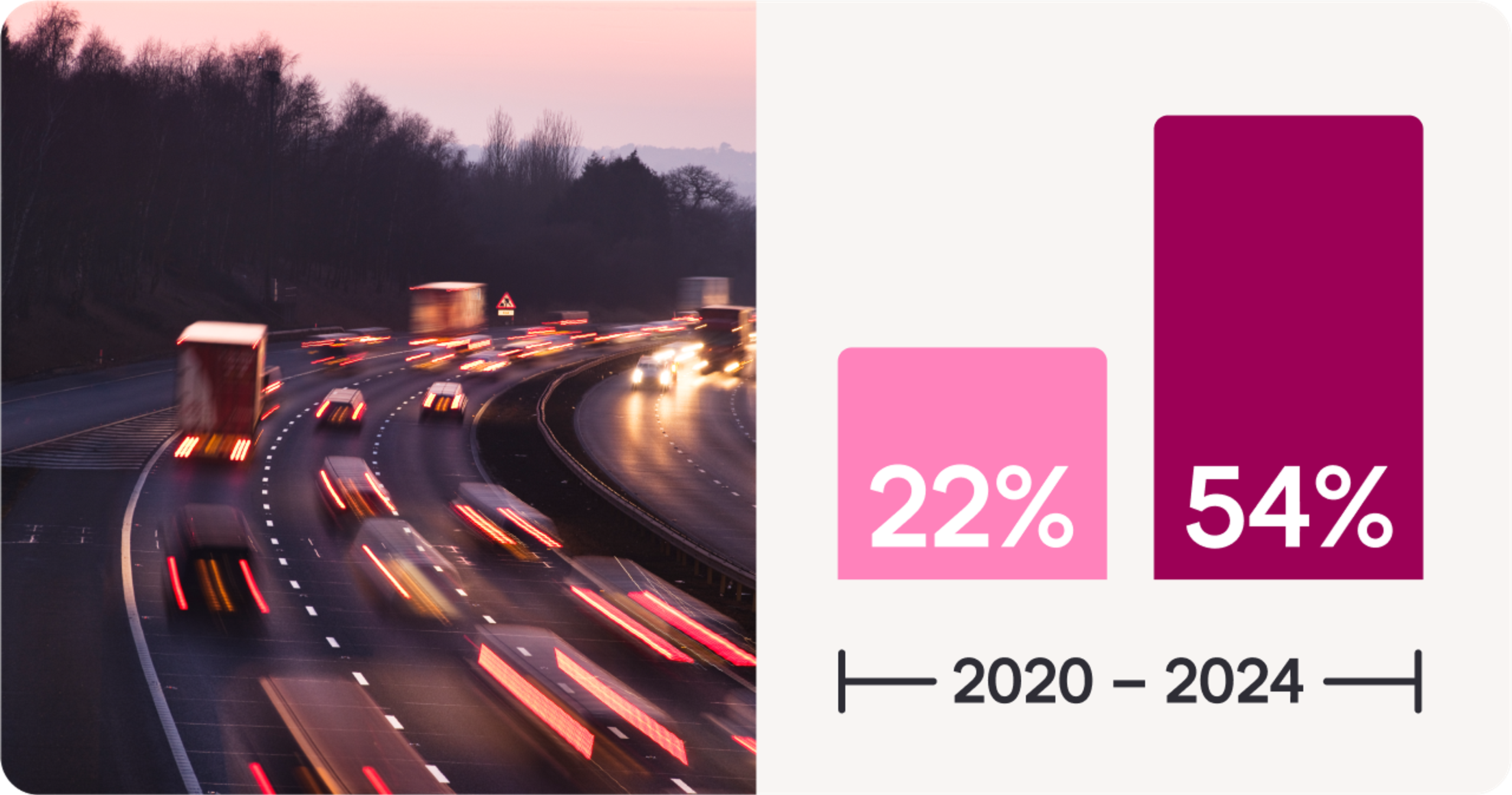
This rapid growth in electric and hybrid vehicles reflects broader trends toward sustainability, aligning with the UK government’s push to reduce carbon emissions and air pollution in urban areas.
Accessibility of Vehicles
While electric and hybrid vehicles are on the rise, accessibility remains a key issue in the UK’s transport sector. In 2024:
- 30,400 taxis were wheelchair accessible, representing a 3% decrease from 2023 [10].
- In contrast, 5,600 private hire vehicles were wheelchair accessible, marking a 10% increase from the previous year [10].
This growing number of accessible PHVs signals the industry’s increasing efforts to cater to passengers with mobility needs, though there is still room for improvement, particularly within traditional taxi services.
Regional Differences in the Private Hire Market
London vs. the Rest of England
London continues to lead the private hire market, with 107,400 licensed vehicles in 2024. This reflects a 3% increase in total licensed vehicles year-over-year [11]. In comparison, the rest of England saw a higher growth rate of 11%, with 205,600 licensed vehicles in 2024 [11].
The stark difference in growth rates indicates that while London remains a core market for Uber and private hire vehicles, other regions are seeing a significant expansion as app-based services become more accessible in suburban and rural areas.
The Role of Ride-Hailing Apps Beyond Uber
While Uber remains the dominant ride-hailing service, other platforms are making strides in the UK market. Apps like Bolt and Ola have gained traction, particularly in regional cities and suburban areas.
- Bolt reported a 13.3% increase in revenue in 2024, positioning itself as a rising competitor to Uber in many cities [12].
- These platforms are expanding their presence by focusing on affordability, speed, and broader regional coverage, offering a more competitive landscape for consumers.
Future Outlook for Private Hire and Ride-Hailing
The future of the UK’s private hire market looks promising, with sustained growth expected over the next decade. Key factors driving this growth include:
- Increased smartphone penetration, enabling more users to access ride-hailing apps [13].
- The ongoing shift towards sustainability, with electric and hybrid vehicles becoming more prominent in private hire fleets [14].
- Remote working trends, which have increased demand for flexible transportation services during non-traditional commuting hours [15].
- Cultural shifts favoring on-demand transportation, particularly among younger generations, who prioritize convenience and affordability over car ownership [16].
With continued innovation in electric vehicles, autonomous driving technologies, and enhanced app-based services, the private hire and ride-hailing sector is set for long-term growth and evolution.
Key Takeaways
- Uber’s Market Presence:
- 26% of UK adults regularly use Uber.
- Uber contributed £5 billion in economic value in 2022 [4].
- Licensing and Vehicles:
- 313,000 licensed taxis and PHVs in England in 2024.
- 381,100 driver licenses issued in 2024, a 10% increase from the previous year [3].
- 20% of PHVs in London are now battery electric, highlighting the shift toward greener transportation [7].
- Consumer Preferences:
- 89% of Uber riders cite convenience as the primary reason for using the platform.
- 65% of female riders feel that Uber is the safest way to travel home [6].
The UK’s private hire and Uber market is evolving quickly, driven by technological innovation, sustainability efforts, and shifting consumer preferences. As ride-hailing continues to grow, platforms like Uber, Bolt, and Ola are poised to dominate, offering greater convenience, safety, and flexibility for millions of users.
Sources
- Gov.uk - Taxi and Private Hire Vehicle Statistics
- Uber UK - Economic and Social Impact
- Statista - Private Hire Vehicles in the UK
- Gov.uk - Vehicle Licensing Reports
- Uber - UK Consumer Behavior Study
- Public First - Uber Economic Report
- PlanInsurance - Electric Vehicles in Private Hire
- SkyQuest - Electric Taxi Market Trends
- National Couriers Direct - Drone Delivery in the UK
- Lumina Intelligence - Remote Working and Mobility
- Statista - UK Licensed Vehicles
- Bolt - Ride-Hailing Market Growth
- KPMG - Smartphone Penetration and Ride-Hailing
- Fortune Business Insights - Cultural Shifts in Ride-Hailing
View More UK Driving & Insurance Statistics
If you’re looking for deeper insights into UK driving behaviour, insurance trends and road safety, explore our full library of data-led statistics pages. Each guide includes detailed figures, expert commentary and actionable takeaways for drivers, tradespeople and delivery workers.
UK Driving Offence Statistics
Explore the latest UK driving offence statistics, including speeding, mobile phone offences, penalty points, age comparisons and regional hotspots.
Food Delivery Statistics
Dive into comprehensive food delivery statistics covering rider demographics, risk patterns, earnings and the growth of the UK delivery sector.
UK Van Driver Statistics
Learn more about the nation’s tradespeople through our detailed UK van driver statistics, including incident rates, mileage patterns and regional breakdowns.
Car Theft Statistics
Understand current UK trends, risk factors and the most-targeted models in our full car theft statistics guide.
Young Driver Statistics
Get insights into telematics behaviour, pass rates, claims data and insurance trends in our latest young driver statistics report.
Gender Car Insurance Statistics
Discover how premiums vary across age groups and regions in our detailed gender car insurance statistics breakdown.
UK Uber Driver Statistics
Explore key insights into earnings, hours worked, demographics, vehicle choices and safety trends in our comprehensive guide to UK Uber driver statistics.
Learn More About Zego’s Products and Services
Zego provides insurance designed for modern drivers — from private hire professionals to tradespeople, couriers, young drivers and those using cutting-edge vehicle technology. Explore our range of products below to learn more.
Private Hire Insurance
Cover built specifically for professional drivers using platforms like Uber, Bolt and local operators.
Learn more about private hire insurance.
Telematics Insurance
Get personalised pricing based on how you drive, powered by the Zego Sense app.
Discover our telematics insurance.
Courier Van Insurance
Insurance designed for van-based couriers carrying parcels or goods, perfect for Amazon and logistics work.
Explore courier van insurance.
Business Van Insurance
Annual, fully comprehensive cover for tradespeople and small businesses using vans for their own tools, materials and equipment.
Find out more about business van insurance.
Autonomous Vehicle Insights
Explore insurance implications, risks and opportunities as autonomous technology evolves.
Read more in our guide to autonomous vehicles.