45%
of the market
Just Eat is the most established and trusted brand, focusing on traditional takeaway and expanding its reach across urban and rural areas.
The food delivery market in the UK is undergoing massive growth, fuelled by changing consumer preferences, technological advancements, and a continued demand for convenience.
This report dives deep into the market's current state, emerging trends, and projected growth, providing detailed insights into user behaviours, platform dynamics, and the impact of technology.
(2024)
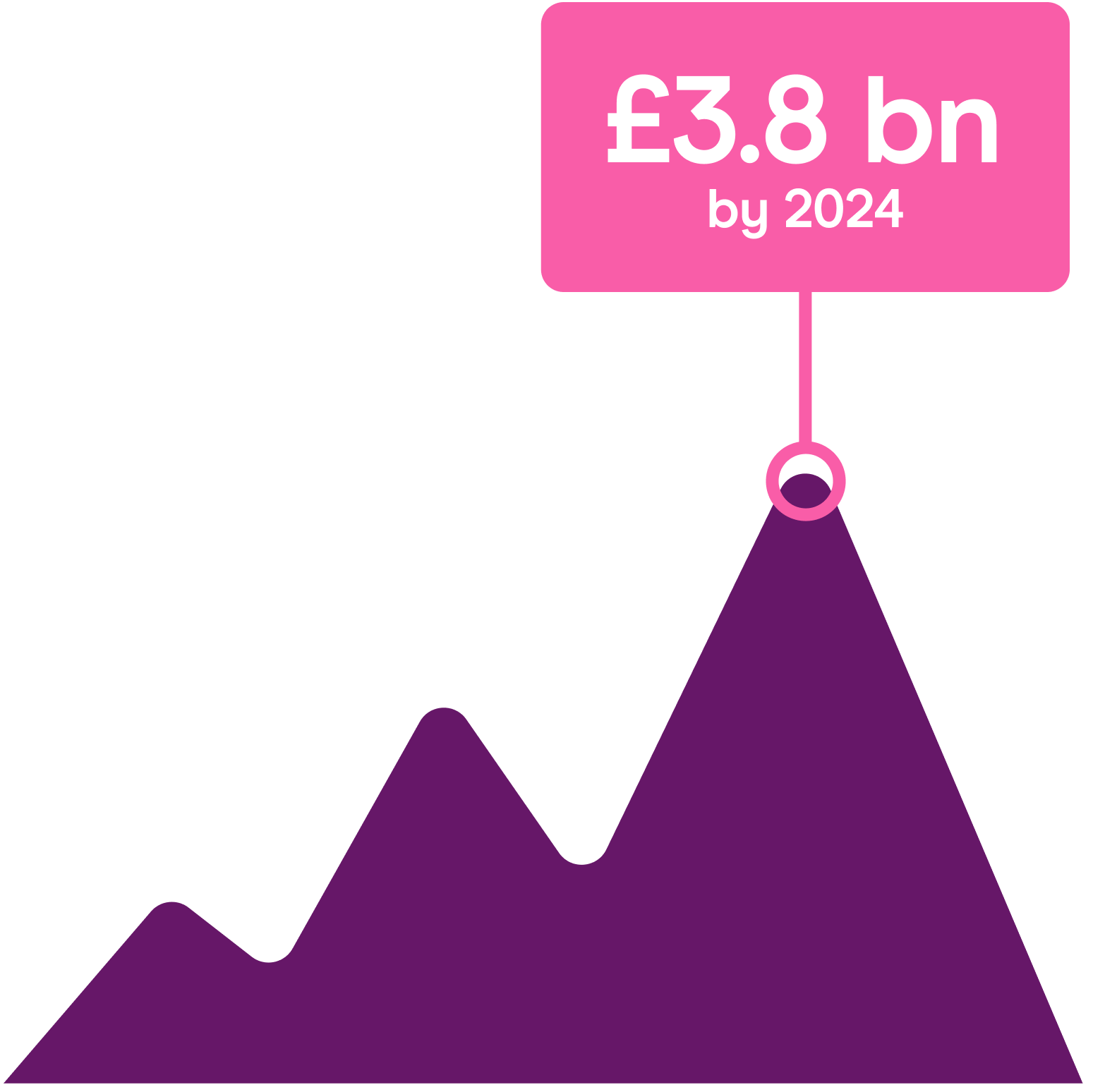
The UK food delivery market is set to reach £3.8 billion by 2024, with a compound annual growth rate (CAGR) of 15.2% forecasted over the next five years. This growth is propelled by an increased reliance on food delivery services for both daily meals and special occasions. By 2029, the overall market volume is expected to reach £63.75 billion [1].
Within the food delivery market, the meal delivery segment is a significant driver, projected to generate £48.21 billion in revenue by 2024 [2]. This segment includes traditional takeaway orders as well as new innovations like dark kitchens (delivery-only restaurants) and virtual brands.
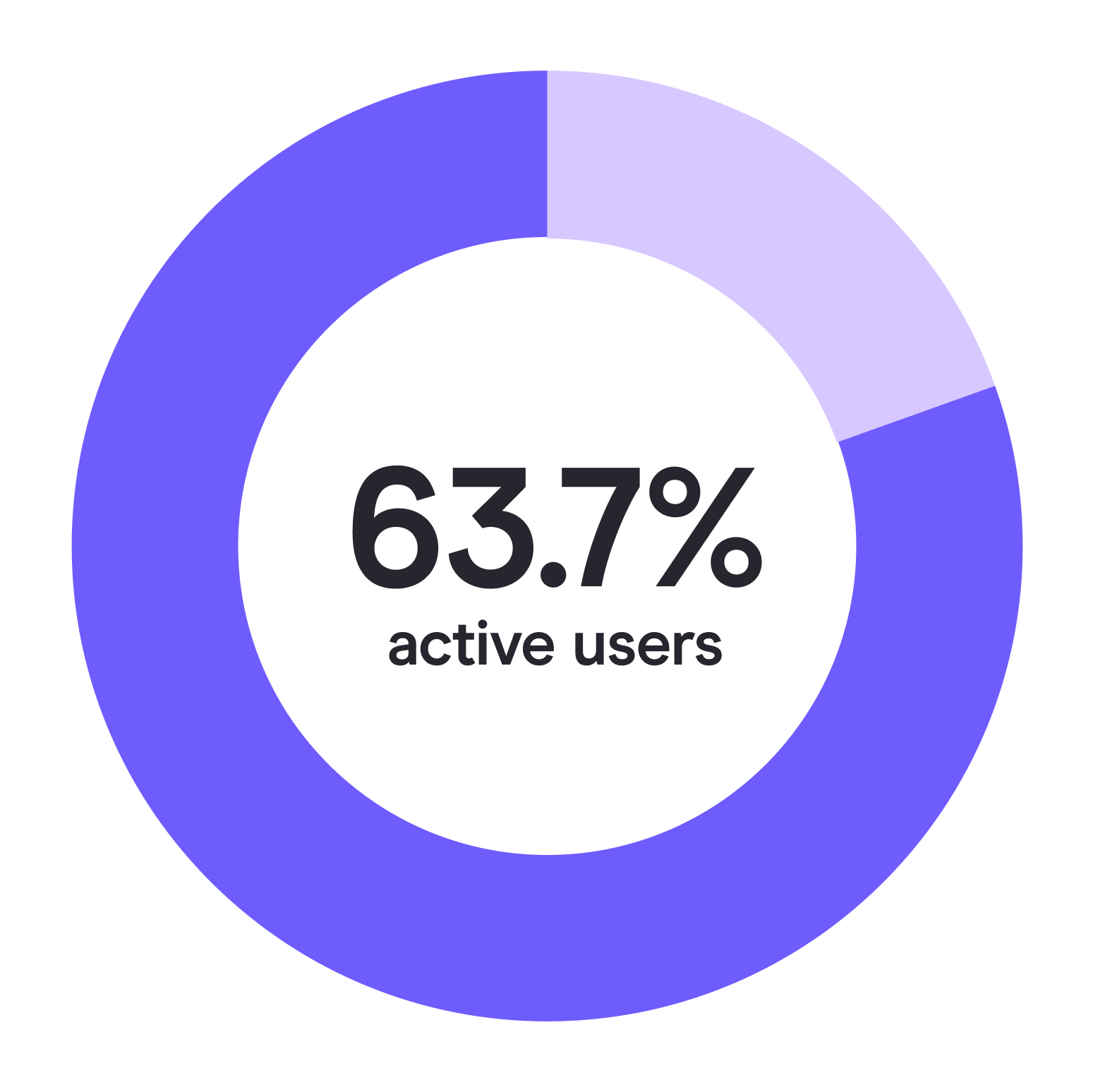
The user base for food delivery in the UK is expanding rapidly. It is expected that 63.7% of the meal delivery market will consist of active users by 2024, reflecting a growing trend in consumer behavior towards on-demand food services [3].
On average, UK households spend approximately £6.40 per week on takeaways, translating to around £820 annually per person [4]. This high level of spending indicates how embedded food delivery has become in everyday life, particularly among younger generations.
Gen Z and Millennials are reshaping the food delivery market with their tech-savvy nature and preference for convenience. They are driving demand for app-based ordering, faster deliveries, and more diverse food options.
Millennials, while not as frequent users as Gen Z, tend to spend more per order, averaging £60+ per transaction. However, both groups are united in their desire for healthier, eco-friendly options, contributing to a broader shift in the market [7].

These platforms are known for their innovative use of technology, strategic partnerships with restaurants, and aggressive marketing campaigns. Each has carved out its niche:
45%
of the market
Just Eat is the most established and trusted brand, focusing on traditional takeaway and expanding its reach across urban and rural areas.
27%
of the market
Deliveroo leads with its premium services, including partnerships with high-end restaurants and its dark kitchen model (Deliveroo Editions), where meals are prepared specifically for delivery.
27%
of the market
Uber Eats is celebrated for its user-friendly interface and fast delivery times, with an extensive selection of both local and international restaurants.
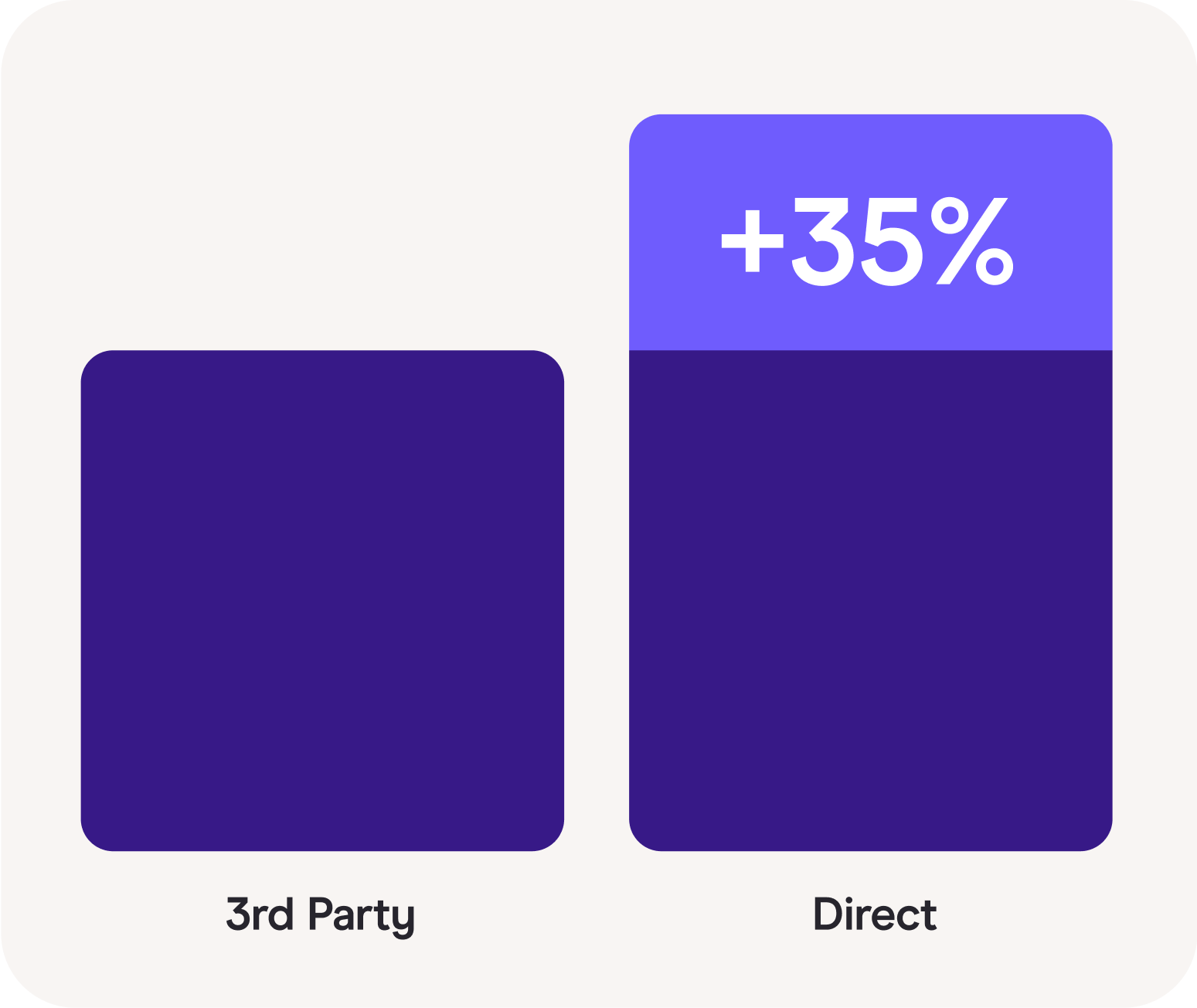
On average, consumers spend 35% more per order when they order directly from a restaurant, compared to using third-party platforms [9]. This trend can be attributed to the perceived value of higher-quality meals and direct engagement with restaurants.
Consumers are also more likely to order food delivery during peak times, with Friday at 6 PM being the most popular time for deliveries [10]. Special occasions, such as Mother’s Day, New Year’s Eve, and Halloween, see the highest surge in food orders [11].
The most popular food categories ordered via delivery in the UK include:
These traditional favorites have consistently remained top choices among consumers, though recent trends show increased interest in plant-based and healthier meal options.

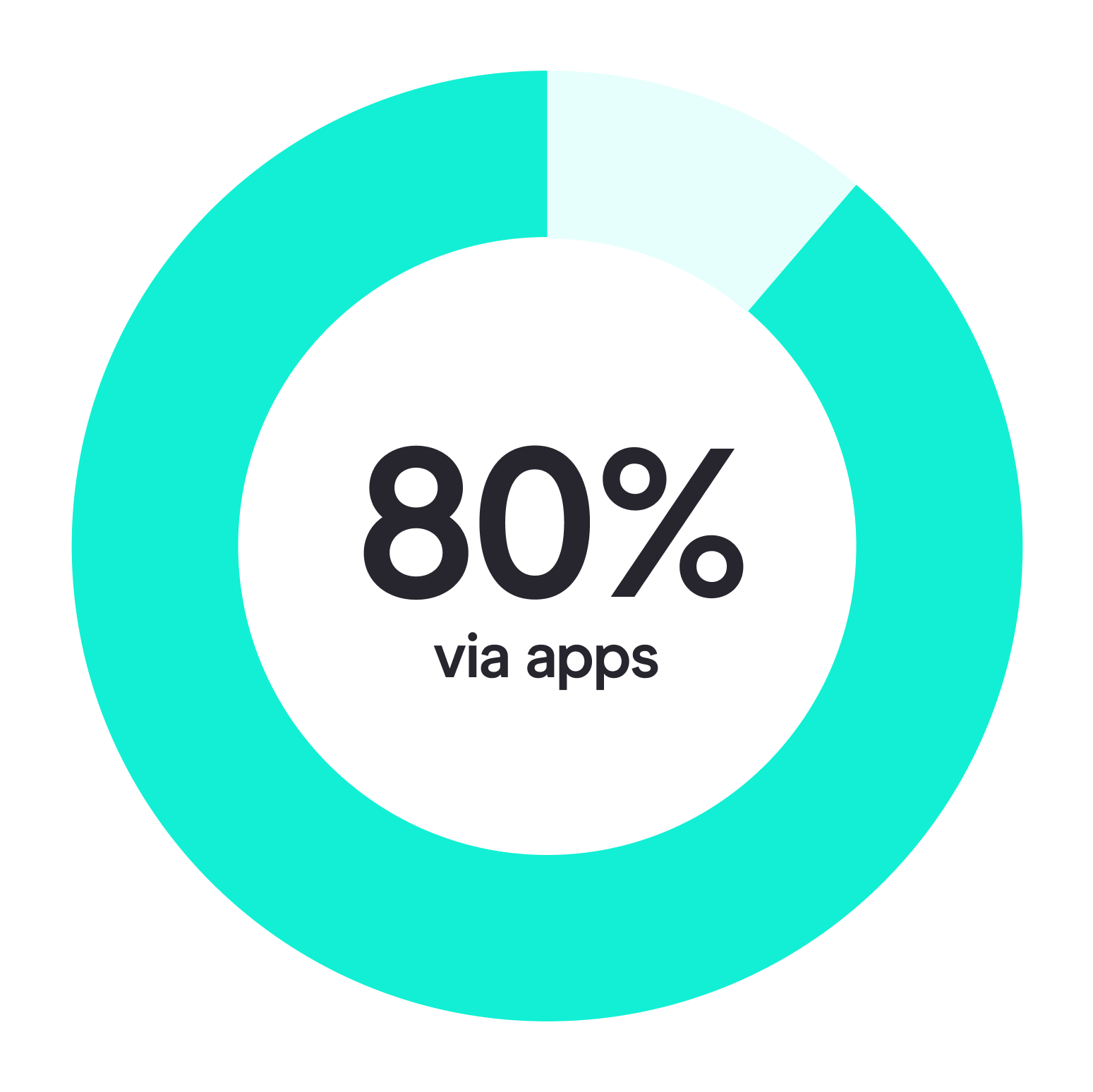
Smartphone penetration and improvements in mobile app technology have played a central role in the growth of the food delivery market. More than 80% of food delivery orders are now placed through mobile apps, reflecting the digital-first approach of today’s consumers [13]. The ease of using apps has made ordering food quicker, more convenient, and more personalized.
Platforms like Deliveroo and Uber Eats are leveraging artificial intelligence (AI) to optimize delivery routes, predict demand, and offer personalized recommendations based on past orders. This use of AI is significantly improving operational efficiency and customer satisfaction [14].
Drone deliveries are also on the horizon. Platforms are experimenting with drone technology to reduce delivery times in urban areas. Uber Eats is leading the charge in this space, with trials underway to integrate drones into their delivery fleet [15].

The rise of remote working during and post-pandemic has had a notable impact on food delivery. As more people work from home, the demand for food delivery during lunch hours has surged. Platforms are seeing a significant increase in weekday orders, particularly during work hours. The trend of remote working is expected to continue fueling growth in the food delivery market [16].
Consumers are increasingly seeking healthier and more sustainable options. Gen Z and Millennials are leading this charge, with a growing preference for plant-based, organic, and eco-friendly meals. Food delivery platforms are responding by offering more health-conscious options and introducing eco-friendly packaging solutions [17].
This trend towards sustainability is also influencing the rise of direct-to-consumer models, where consumers order directly from restaurants rather than through third-party platforms. These direct orders not only support local businesses but also allow consumers to make environmentally conscious decisions by reducing the carbon footprint associated with delivery logistics [18].
Looking forward, the UK food delivery market is expected to maintain robust growth. The market is forecasted to grow at a CAGR of 8.49% from 2024 to 2028, with the total market volume reaching £63.75 billion by 2029 [19]. Analysts predict that over 63.7% of the meal delivery market will consist of active users by 2024, reflecting widespread consumer adoption [20].
Emerging technologies, such as autonomous vehicles and smart home integration, are expected to further revolutionize the food delivery market. With companies experimenting with delivery robots and AI-powered systems, the next decade is set to bring even greater innovation in how food is ordered and delivered [21].

The UK food delivery market will reach £3.8 billion by 2024 and £63.75 billion by 2029.
63.7% of the meal delivery market will be active users by 2024.
Gen Z drives food delivery usage, with an average of 4.5 orders per month.
Just Eat, Deliveroo, and Uber Eats dominate the market, with 45%, 27%, and 27% market shares, respectively.
35% more is spent on direct orders from restaurants than through third-party platforms.
Key growth trends include advancements in AI, drone deliveries, sustainability, and healthier meal options.
1. Statista - UK Food Delivery Market
2. Business of Apps - Food Delivery App Revenue
3. IBISWorld - Food Delivery App Market
4. MenuTiger - UK Food Delivery Spending
5. AHDB - Gen Z Food Delivery Usage
6. Ecommerce News UK - Millennial Spending on Food Delivery
7. Statista - UK Food Delivery Platforms
8. KPMG - UK Food Delivery Trends
9. McKinsey - Direct Restaurant Orders
10. Zion & Zion - Popular Food Ordering Times
11. Business of Apps - Holiday Food Delivery Trends
12. Statista - Most Popular Food Categories
13. Tutor2u - Smartphone Penetration in Food Delivery
14. Eastern Peak - AI in Food Delivery
15. National Couriers Direct - Drone Delivery in the UK
16. Lumina Intelligence - Remote Working and Food Delivery
17. Mintel - Sustainable Food Delivery Options
18. Food.gov - Direct Ordering Trends
19. IBISWorld - UK Food Delivery Projections
If you’re looking for deeper insights into UK driving behaviour, insurance trends and road safety, explore our full library of data-led statistics pages. Each guide includes detailed figures, expert commentary and actionable takeaways for drivers, tradespeople and delivery workers.
Explore the latest driving offence statistics UK, including speeding, mobile phone offences, penalty points, age comparisons and regional hotspots.
Dive into comprehensive UK food delivery statistics covering rider demographics, risk patterns, earnings and the growth of the UK delivery sector.
Learn more about the nation’s tradespeople through our detailed UK van driver statistics, including incident rates, mileage patterns and regional breakdowns.
Understand current UK trends, risk factors and the most-targeted models in our full UK Car theft stats guide.
Get insights into telematics behaviour, pass rates, claims data and insurance trends in our latest UK young driver statistics report.
Discover how premiums vary across age groups and regions in our detailed gender car insurance statistics UK breakdown.
Zego provides insurance designed for modern drivers — from private hire professionals to tradespeople, couriers, young drivers and those using cutting-edge vehicle technology. Explore our range of products below to learn more.
Cover built specifically for professional drivers using platforms like Uber, Bolt and local operators.
Learn more about private hire insurance.
Get personalised pricing based on how you drive, powered by the Zego Sense app.
Discover our telematics insurance.
Insurance designed for van-based couriers carrying parcels or goods, perfect for Amazon and logistics work.
Explore courier van insurance.
Annual, fully comprehensive cover for tradespeople and small businesses using vans for their own tools, materials and equipment.
Find out more about business van insurance.
Explore insurance implications, risks and opportunities as autonomous technology evolves.
Read more in our guide to autonomous vehicles.